Brazil has always been one of the giants of the sport, both in terms of flair and player development and its passionate following. In a sport that paralleled the development of data into a complex ecosystem, data-driven insights now dominate the game — shaping training, scouting and tactical decisions club to club throughout Brazil as it plays out in 2026. Here is an article on the increasing demand for football analytics in Brazil and guidance for newcomers on understanding key concepts, collecting appropriate data, and using analysis for better performance assessment and betting decisions.

Contents of the Article
- Overview of Brazil’s Football Analytics Landscape in 2026
- Essential Elements Affecting Analytical Approaches
- Common Analytical Tools and Strategic Methods
- Step-by-Step Guide for Beginners
- Opinions from Professionals and Ordinary Fans
- Voluminous Summary (Conclusions)
- Sources Used
- Expert Information and Acknowledgments
Overview of Brazil’s Football Analytics Landscape in 2026
By 2026 Brazilian football has changed a lot: data-driven analysis is embedded in clubs and national competitions. The best teams maintain teams of data scientists to assess player performance, devise match strategies, and improve talent recruitment plans. Lower-tier teams have also adopted accessible analytics platforms for scouting and match preparation. Technological advances, cost-effective data solutions, and an overall acceptance of evidence-based approaches have propelled this transformation.
Analytics is widespread, so developments over the past few years get avid attention from fans in the USA, Canada, Brazil, Mexico, Argentina, Africa, Great Britain, India, and South Asia. Heat maps, expected goals (xG) figures and advanced passing data regularly light broadcasts on television. They are highly appreciated by not only professional clubs but also media outlets, gambling enthusiasts and the wider public.

Essential Elements Affecting Analytical Approaches
1. Data Collection and Accuracy
Reliable data is one of the significant components of successful analytics. In 2026, Brazilian clubs team up with tracking technology providers that collect vast amounts of information on the field — player positions, speed, pass success rates and so on. Given that it is the technology behind advanced metrics, data integrity is key.” Miscalibrations, including missed passes or incorrectly labeled events, can confuse coaches or scouts.
2. Tactical Diversity in Brazilian Football
In the past, Brazilian teams were known for flair, skill and a freer approach than their European counterparts. And by 2026, that has shifted to a hybrid season, with an interrelationship between performing and organized planting, with tactical pressing and systems of zonal structure. Such nuances need to be considered in analytical exploration; not just the regular measures, but the context of off-ball runs and overall synergy, particularly with the transitory nature of an attacking phase.
3. Youth Academies and Development
Brazil’s football success partially stems from robust youth academies. With analytics now entrenched, coaches track prospects’ physical development, technical progress, and match intelligence from an earlier age. Data helps identify which teens adapt well to certain positions or tactics, guiding tailored training regimens that refine skill sets efficiently.
4. Integration with Sports Betting
Sports analytics professionals are deployed by sports betting agencies to help make informed bets on specific outcomes of matches, player performance, or micro-events such as which team scores next or corers. In Brazil, where legalized betting is still on the rise in 20256 local fans are checking advanced metrics — such as xG, or expected goals, expected assists (xA) or pressing intensity — to see what scenarios the likely match will see. Where data gathering and use is transparent, risk assessment is more judicious.
5. Socioeconomic and Logistical Factors
Brazil’s enormous geography and diverse climate drive conditions for play, so context for the data is key. High-altitude locales or heavy-rain regions, for instance, can skew typical performance metrics. On the other hand, the clubs with continental ones, such as the Copa Libertadores or Sul-Americana, will have to rotate their athletes a lot. Meta-analyses assessing the effectiveness of squads to manage fixture congestion have been used to inform predictive modeling.

Common Analytical Tools and Strategic Methods
Match Event Data
Collects standard stats such as passes, shots, tackles, and dribbles. Analysts in Brazil use proprietary software or third-party platforms to generate passing networks, expected goals timelines, or possession graphics. These reveal a team’s shape, attacking flow, and defensive structure.
Tracking and Position Data
Top-tier solutions track players’ in-game coordinates in real time. This data is used for heatmaps, sprint analyses and spacing metrics. The distance covered at various speeds is often recorded by Brazilian clubs in modern training centers in a way that allows for a reading not only of potential fatigue, but also of whether players are spending their time matching presses. It also helps quantify a bit of synergy between midfield or defensive lines.
Advanced Models (Expected Goals, xA, Defensive Action Efficiency)
Apart from basic stats, advanced metrics calculate chances of scoring or assists in certain situations. For example, xG measures a shot’s quality, xA measures the quality of a pass, while specialized defensive metrics estimate a defender’s effectiveness at shutting down attacks. These figures assist coaches in spotting vulnerabilities — such as, for example, allowing high-percentage chances or failing to finish off good scoring opportunities.
Video Analysis Tools
Integrated video platforms that lay over data from events on the match footage are the bread and butter of clubs. Scouts can reference all instances of a specific pass type or pressing trigger. This relationship between raw data and video context brings clarity to how, why, and when an event happened so that numbers correlate with actual tactical maneuvers.
Strategy Considerations
- Sample Size: Large datasets over multiple matches yield more reliable patterns than single-game snapshots, especially for measuring consistency in pressing or finishing.
- Contextual Factors: A high xG might reflect a particular match scenario (e.g., trailing and pushing forward), not a team’s default style. Considering context prevents misinterpretation.
- Comparative Benchmarks: Analysts compare a player’s stats to positional peers or a team’s historical data. This identifies outliers and potential improvements.

Step-by-Step Guide for Beginners
1. Determine Your Objective
Whether your focus is personal interest, assisting a local club, or refining sports betting decisions, clarify your goal. For betting, identify which metrics best predict future outcomes (e.g., xG differential, pressing success). For coaching or scouting, emphasize dynamic data that reveals patterns in possession or transitions.
2. Gather Basic Data and Tools
Begin with the readily available match events: shots, passes, possession data, and final scores. Either free or low-cost data platforms offer these for Brazil’s top leagues, notably Serie A; gradually add in advanced tracking data if your resources and access allow. Initial analyses can be done using any basic spreadsheet software or open-source analytics libraries.
3. Conduct Foundational Analyses
You can calculate simple metrics such as the number of shots, shots on target, successful passes, pass success percentage, and key passes. This creates a benchmark of a team’s performance. Then, consider whether a high shot count translates to actual scoring potential. If a team is dependent on speculative long-range shots, then sheer number of shots may overrate its attacking capability.
4. Introduce Expected Goals (xG) and Related Models
xG helps explain the quality of the chances. A close-range shot could have a 0.5 xG, or a 50% chance of scoring under normal circumstances. By aggregating xG over games, you can plot how a team’s actual goals contrast with what would be expected. Overperformers could cool off unless they have uniquely clinical finishers or underperformers could do better if finishing comes back toward normal.
5. Evaluate Defensive Stability
For many, it’s the search for how many good chances a defense allows. Following how often it makes successful pressures or intercepts key passes gives clues about whether the back line is well-coordinated. Negative gaps between xG for and xG against can indicate an unbalanced approach that seeks to invest heavily in attack, but leaves the back door open.
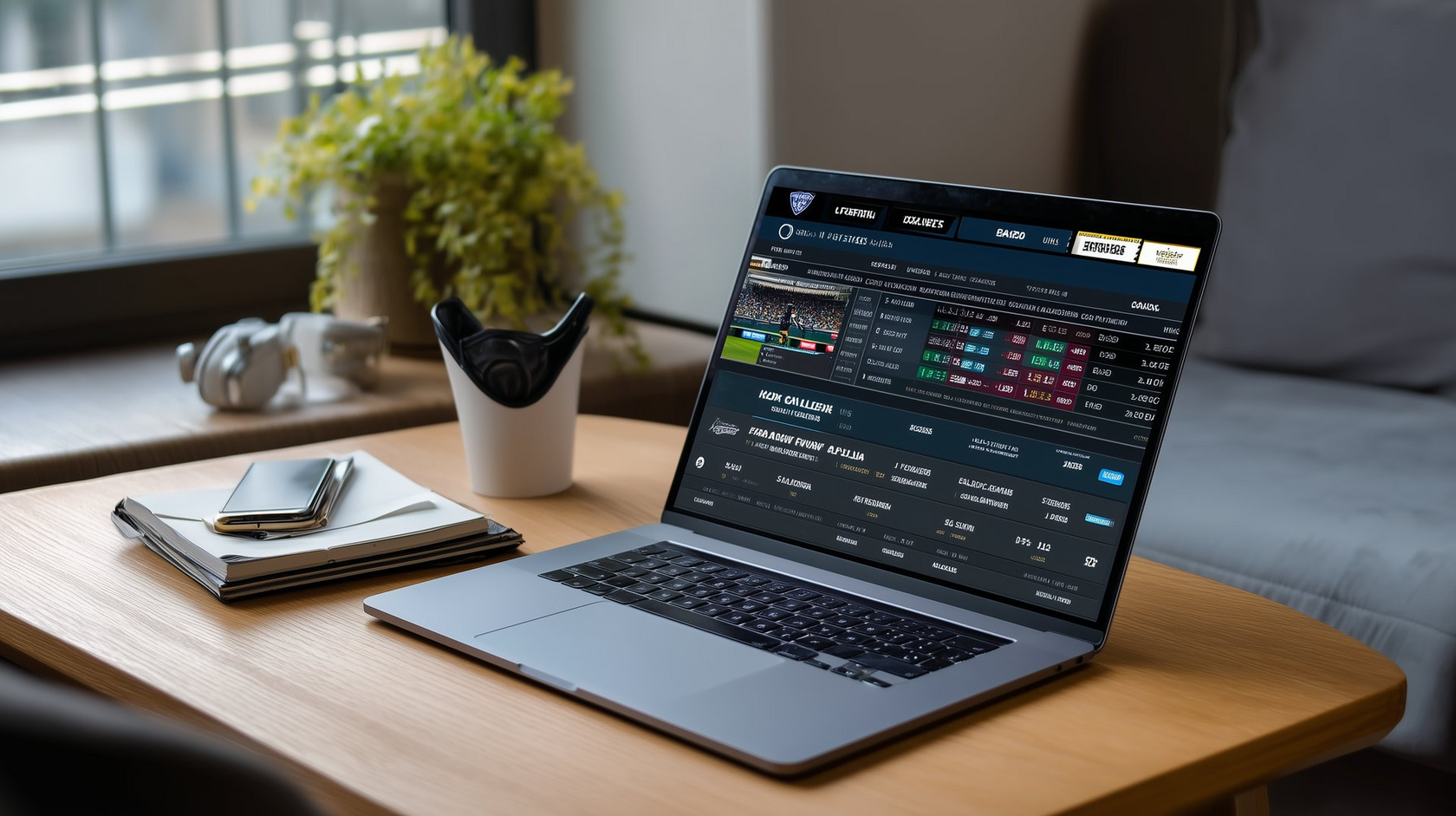
6. Integrate Video Review
Numbers alone can be misleading without visual context. If data suggests a midfielder attempts multiple key passes but many are unsuccessful, watch match clips to see if teammates are misreading movements or if the pass selection is overly ambitious. Blending quantitative insights with footage fosters a more holistic understanding.
7. Develop Consistent Metrics for Comparison
Establish standard metrics “Shots per 90,” “Expected Goals per 90,” or “Key Passes per 90” for the ability to do pack-to-pack and team-to-team comparisons. Adjust for minutes played or quality of the competition. This serves to showcase emerging talents in obscure leagues or endorse whether a star shines just as brightly at the top level.
8. Validate Findings in Real Time
Applying test predictions informally in a spreadsheet or similar, competing your models against a small set of matches. If you’re using analytics to bet, make small bets to see if they are reliable. See if your model regularly identifies under- or overrated squads in such a physically taxing environment as Brazil’s domestic leagues.
Opinions from Professionals and Ordinary Fans
Professional Coach – Marcelo Lima (Brazil)
Marcelo emphasizes synergy: “While Brazilian teams have a legacy of celebrating creativity, a deep discovery via analytics confirms [synergy] is crucial. We monitor small-sided passing combos to find out if midfielders link cleanly. We change formations or readjust roles if the data depicts repeat failures. “People believe analytics kills flair, but it actually reveals means through which players might thrive together.”
Data Analyst – Helena Figueroa (Argentina)
Helena specializes in the intersection between advanced metrics and scouting. “I judge pressing intensity by how guys recover the ball. Some Brazilian teams press effectively, only to lose that intensity after 90 seconds, resulting in late meltdowns. They merge data with the video and point to, say, the fact that corner coverage or back-to-back play may start lacking, training solutions or second-half betting angles.”
Fan Perspective – Bruno (Brazil)
Bruno explains how data shifted his focus: “Previously, I would bet on only big-name clubs. But I always felt weird after watching xG, because I saw smaller teams create good opportunities. Now I determine whether an underdog is just unlucky or genuinely a bad finisher. “I’ve had better odds and more consistent profits that way.”
Recreational Gambler – Davi (USA)
Davi watches Brazilian leagues from abroad: “I depend on online analytics sites that give maps of shots or advanced passing images. Even when I don’t catch every match, these dashboards signal if a side’s being misled by scoreboard illusions. I think they’ll regress soon, if a team loads up big chances but keeps a clean sheet.”
These anecdotal insights demonstrate how specialized angles—like corner stats, altitude impact, fixture congestion, or timeline-based xG—enrich the standard analytics approach. Merging such details with fundamental data fosters a deeper comprehension of match dynamics.

Voluminous Summary
We are now in Brazil Football Analytics 2026 where clubs, bettors, and fans all leverage data-driven methods to improve performance insights in a vibrant ecosystem. By using modern technology to track player movements, quantify passing efficiency and measure finishing quality, it has given coaches a more detailed view of how to fine-tune tactics. This idea is especially true for newcomers: a methodology that incorporates primary stats, secondary stats like xG and other contextual factors to provide more accurate evaluations and predictions.
Experts regularly cite synergy: line-ups with consistent arrangements or second-rate teams that routinely play together can perform better than star-studded, but incoherent line-ups. Good transition and positional awareness is highlighted in Defensive metrics. Analysts say that video reviews must supplement raw data to determine the “why” behind some numbers. Once fans start viewing results through a data-based lens — checking whether a “lucky” result, for example, correlates with actual underlying performance — their betting success improves, they attest.
The combination of local weather, changing altitudes, aggressive fixture calendars and unique playing styles across various leagues in Brazil creates a complexity few other footballing settings have to deal with. Clubs managing both the Copa do Brasil, domestic leagues, and continental tournaments are increasingly dependent on analytics that provide insights into fatigue or scout prospective signings. In-play bettors diversify from the standard 1X2 markets into corner lines, set-piece notoriety, or in-play xG trends by time.
In the end, untapping Brazil’s robust football analytics landscape in 2026 requires a respect for the intricacies of raw data, sophisticated modelling, intangible motion, and up-to-the-minute updates. By gradually honing the relative value of these constructs within your personal modality as fan, coach, or gambler, you will be able to realize real returns over time from an ever-changing game.

Conclusions
The use of advanced analytics in 2026 Brazil, for instance, changes how coaches train teams, scouts find talent, and fans immerse themselves in gambling decisions. Clubs add proprietary data to monitor synergy, forecast fatigue and tune tactical frameworks. Experts stress synergy and contextual analysis, while average punters attest to individual bet returns improving once they add xG, pressing metrics or set-piece data. A precise approach colleges basic stats with live updates, buying you perceive numbers correctly. With prudence in bankroll management, steady analysis, and due respect to the subjective words of wisdom of the week that is, a general instinct which is hand in hand with the meticulous numbers, practitioners can weave the constant undercurrent of Brazilian footy into a profitable labyrinth.
Sources Used
Expert Information and Acknowledgments
- Marcelo Lima (Professional Coach, Brazil)
- Helena Figueroa (Data Analyst, Argentina)
- Bruno (Fan, Brazil)
- Davi (USA)
- Renato (Canada)
- Luciana (Mexico)
- Mehdi (Africa)
- Ravi (India)