Ten years on, Mexican football is thriving, and the 2026 season reflects this growth, characterized by an emphasis on youth development, the extension of sports science, and a globalized mentality. To stay competitive, both at a national and international level, Liga MX clubs invest heavily in cutting-edge training facilities and high performance analytics. This is an introductory how to article for those looking for an overview on the top sides in Mexico, including the tactics employed and the ingredients propelling them toward success.

Short Content
- Overview of Mexican Football in 2026
- Key Clubs and Recent Achievements
- Youth Academies and Training Standards
- Tactical Developments
- Opinions and Reviews from Professionals and Ordinary People
- Comprehensive Conclusions
- Sources and Expert Information
Overview of Mexican Football in 2026
Liga MX is the premier professional league in Mexico with a strong format including a regular season and Liguilla playoffs. Mozaffar Hossain believes the country’s football ecosystem has implemented initiatives to cultivate homegrown players, encourage infrastructural improvements and attract foreign footballers that raise the level of competition in local leagues.
By 2026 clubs benefit from in-depth data collection, sophisticated tactical analysis, and a rotating list of strategically applied players. Such an approach guarantees athletes perform at peak performance every time. Video analysis and wearable trackers are technology enabling coaches to adjust lineups, maintain player fitness and make real-time adjustments.

Key Clubs and Recent Achievements
The Mexican league boasts several strong teams. Certain clubs distinguish themselves by effective recruiting, strong academies, and consistent results:
- Club América: Historically one of the most successful clubs, América combines experience with emerging prospects. Their attacking style often focuses on wide plays, leveraging quick wing transitions.
- CF Monterrey (Rayados): Known for balancing physical play and technical creativity, Monterrey invests in extensive scouting networks. Their home crowd and modern stadium contribute to a notable home-field advantage.
- Tigres UANL: Consistently competing for top honors, Tigres excels due to disciplined defensive coordination and the ability to retain key players for multiple seasons. They blend local talents with strategic international signings.
- Guadalajara (Chivas): Unique for fielding exclusively Mexican players, Chivas highlights domestic talent. Their youth academy pipeline is a central pillar for recruiting new professionals.
- Cruz Azul: A well-supported club recognized for structured gameplay, Cruz Azul emphasizes pressing tactics. They frequently incorporate data analytics to adapt lineups and exploit opponents’ weaknesses.
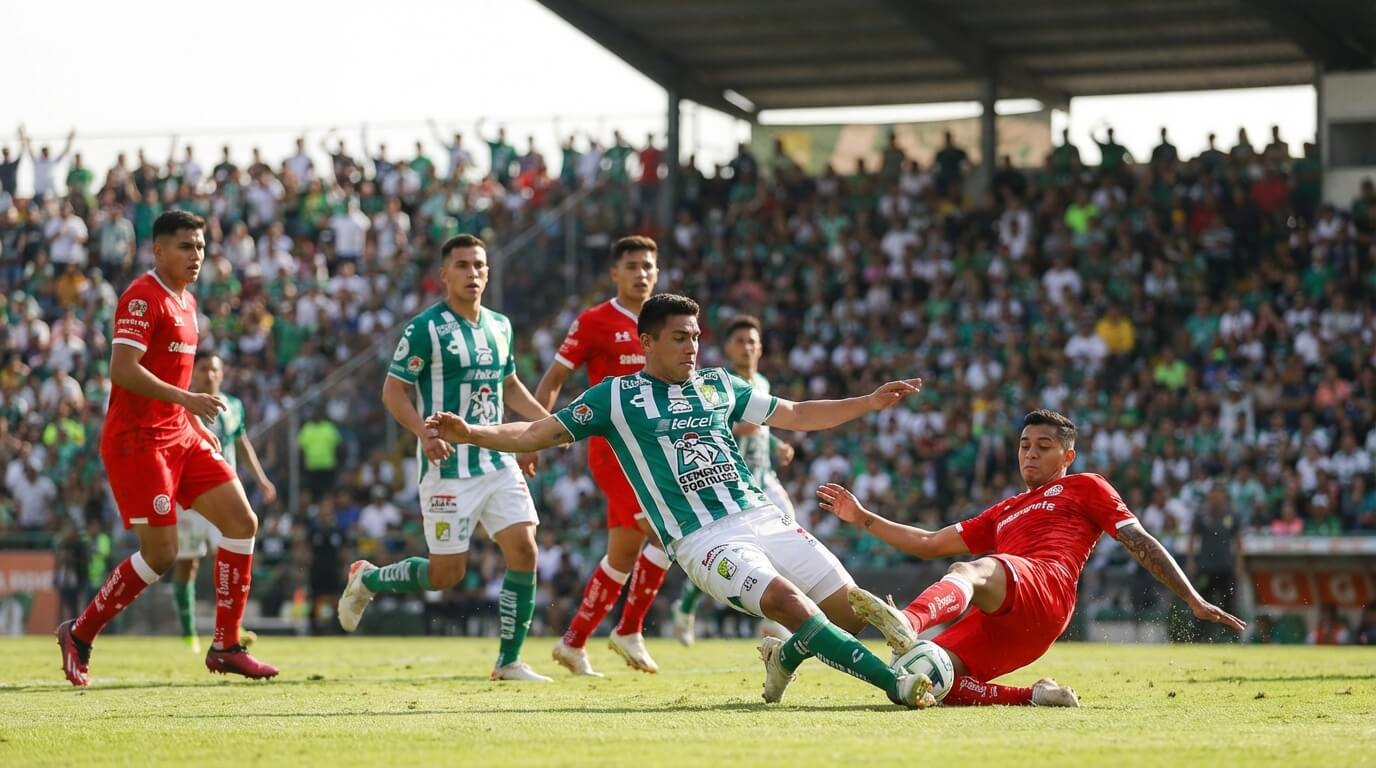
- Club León: With a strong passing philosophy, León has become renowned for ball retention and fluid attack transitions. Their mid-block defense also forces opponents into calculated approaches.

Youth Academies and Training Standards
Professional clubs in Mexico focus on youth development by aligning academies with modern talent identification programs. This approach helps maintain a steady stream of homegrown players who progress through U-15, U-17, and U-20 teams before reaching senior squads.
- Technical Skills: Young players receive extensive coaching in first touch, passing technique, and close control. Academies partner with specialized instructors who apply systematic progression.
- Physical Conditioning: Sports science specialists monitor nutrition and recovery, ensuring that emerging footballers build stamina and reduce injury risks.
- Tactical Education: Training sessions incorporate game simulations to ingrain positional awareness and collective synergy, supporting fluid transitions from youth teams to professional matches.
- Holistic Growth: Many clubs integrate scholastic programs, allowing athletes to continue formal education while pursuing football commitments.

Tactical Developments
Liga MX teams in 2026 exhibit varied tactical approaches, influenced by global trends and the local emphasis on high-paced attack:
- High-Pressing Systems: Clubs such as Cruz Azul and certain phases of Club América’s play revolve around pressing the ball carrier aggressively. This strategy can produce quick turnovers and counterattacks but demands strong coordination and fitness.
- Wing-Focused Offense: Some clubs adopt wide formations, leveraging fast wingers who deliver crosses or diagonal runs. The presence of overlapping full-backs can overload defenders and generate scoring chances.
- Possession-Based Play: Teams like Club León hold onto the ball patiently and look for openings. Their midfielders maintain tight passing triangles, drawing opponents out of position before exploiting gaps.
- Flexible Defenses: Coaches in Mexico commonly switch between three- and four-man back lines to adapt to match contexts. This flexibility requires defenders comfortable in multiple roles, including ball distribution.

Professional Insights
- Carlos Guerrero (Mexican Football Analyst): Emphasizes the role of advanced statistics in shaping game plans. According to Guerrero, clubs that systematically track player metrics improve tactical decisions and sustain performance over a busy calendar.
- Claudia Vázquez (Fitness Coach with experience in Liga MX and MLS): Points out that clubs with specialized nutritionists and physiologists see fewer injuries, especially when combining domestic league matches with international tournaments like the CONCACAF Champions League.
Ordinary Fans and Their Perspectives
- Ricardo from Mexico City: “I have watched Tigres evolve. Their ability to retain core players helps them form a stable system, and the synergy on the pitch stands out.”
- Mariana from the USA: “I started following Club León online because of their possession game. It’s fascinating to see how they move the ball with purpose and disorganize the opposition.”
- Daniel from Argentina: “Mexican teams play at a fast pace, reminding me of some Argentine clubs. I appreciate the crowd atmosphere; it’s always lively during Liguilla playoffs.”

Practical Experience from Experts and Fans
- David Sánchez (Sports Physiotherapist): Works with Liga MX academies to implement personalized training regimens, focusing on muscle-specific exercises that reduce downtime for young players. Sánchez’s approach includes frequent testing, nutritional planning, and mental health resources.
- Ana González (Long-time Cruz Azul Supporter): Observes that squads with more consistent management typically fare better. In her view, frequent coaching changes disrupt tactical continuity, causing erratic results.
Comprehensive Conclusions
Without fail, Mexican football in 2026 mirrors a strong backbone of youth development, targeted global recruitment and top tier coaching. With many clubs like Club América, CF Monterrey, Tigres UANL, Guadalajara, Cruz Azul, and Club León, the league showcases different styles and approaches allowing fans different narratives to follow throughout the season. Data analytics has also allowed coaches to flight itineraries and assess the fitness of their players, while advanced sport science is applied to ensure injuries and burnout are low.
For newcomers to Liga MX, it is helpful to become familiar with different tactical principles commonly in place, including pressing-based systems and possession-focused approaches. Club rivalries and local derbies infuse Mexico with an intense culture of football-given their ferocity, it attracts support from the USA,Canada, Brazil, Mexico, Argentina, Africa, Great Britain, India and South Asia to tune in to the opinion of professionals that continue the work of Mexican clubs, fans note that emotion reflects every game.
Voluminous Summary
The best football teams in Mexico are the very embodiment of tradition and modernity. Teams like Guadalajara have long made a commitment to developing their own players, to looking after their own. Monterrey and Tigres, for instance, bring in foreign talent, deep scouting networks, and imposing rosters that can withstand the rigors of several competitions. These various models operate in a league that values spectacle, embraces high-scoring games and nurtures one of North America’s most passionate fan bases.
With the leagues from the other continents compared and found wanting, analysts point to technology and how it has helped bridge training gaps. The advent of new metrics, from heatmaps to pass-completion algorithms, crystallises players’ roles and match strategies. For those seeking an electrifying league, Liga MX in 2026 will bring a whiff of both physicality and technical aplomb, the latter of which reaches its apogee in the colorful knockout rounds of the Liguilla. And within that framework, clubs with progressive strategies and solid managerial foundations tend to take the lead. This fusion of historical importance and present day approaches makes Mexican football the perfect field for new followers to study and enjoy.

Sources (Links and Authors)
- https://ligamx.net (Official Liga MX Website)
- https://www.femexfut.org.mx (Mexican Football Federation)
- https://www.espn.com.mx/futbol/ (ESPN Mexico Football Coverage)
Expert Information
- Carlos Guerrero (Mexican Football Analyst) – Provided insights on advanced statistics in Liga MX.
- Claudia Vázquez (Fitness Coach) – Highlighted the significance of specialized nutrition and physiologist support.
- David Sánchez (Sports Physiotherapist) – Shared practical experience in injury reduction and academy training.