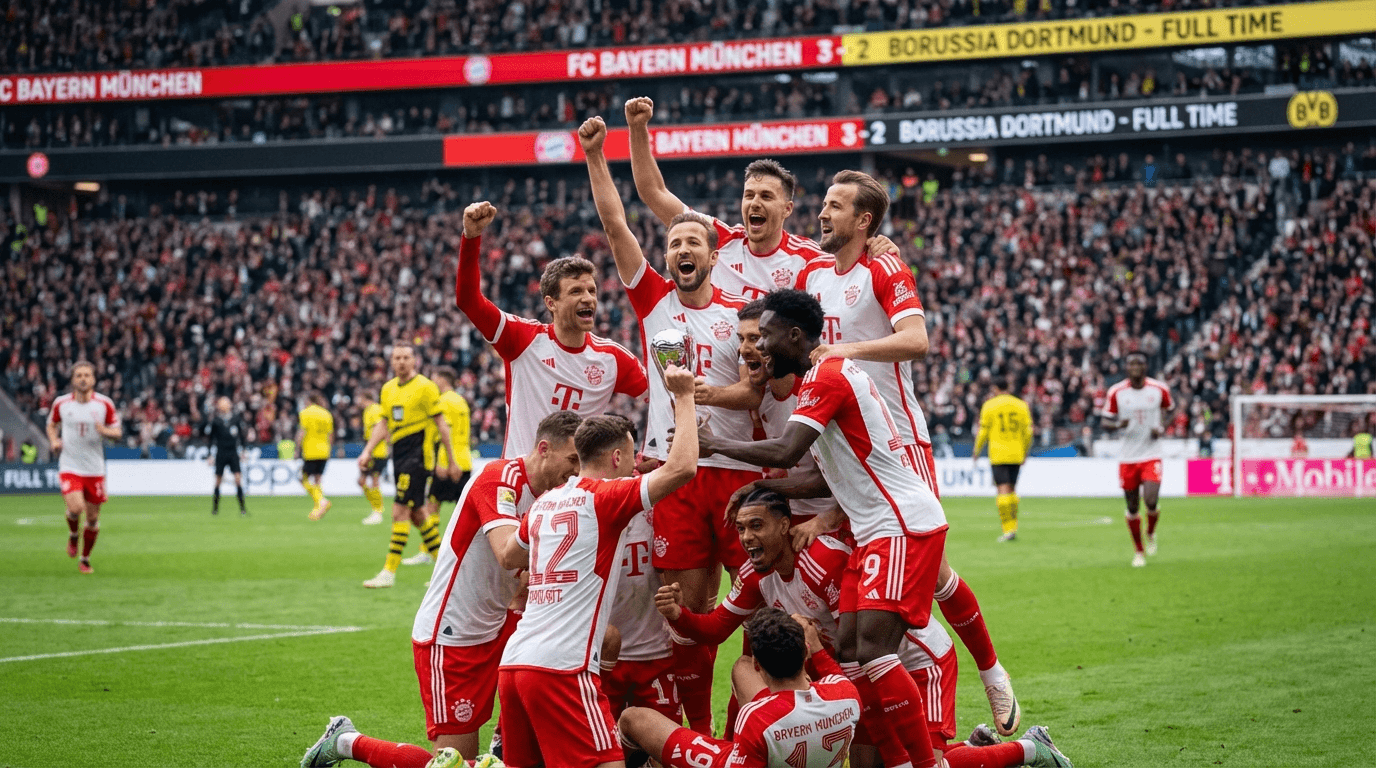
European football in 2026 still shows cutting-edge tactics, world-class talent and global-fan support. Yet elite European clubs are always quick to adopt state-of-the-art training methods and grab cutting-edge data analytics to be there or thereabouts in domestic and continental competitions alike. Written specifically for new fans in mind, this guide offers an expert rundown of the top European teams, detailing their playing style, youth academy, and the key ingredients to maintaining a winning formula. Reading up on these clubs provides readers with a more in-depth understanding of how European football works and can help them keep a better eye on their favorite teams.
Short Content
- Europe’s Football Landscape in 2026
- Leading Leagues and Major Clubs
- Training Innovations and Youth Development
- Tactical Approaches of Top Teams
- Opinions from Experts and Fans
- Comprehensive Summary
- Expert Information
- Sources Used
Europe’s Football Landscape in 2026
The European soccer rich combine of domestic leagues, tournaments, and millions of fans in the US, Canada, Brazil, Mexico, Argentina, Africa, Great Britain, India, and most of Asia. Now the UEFA Champions League is the highest club competition in the world, with Champions and top-placed teams from various national leagues coming together. By 2026 most European federations have renovated their stadiums and youth training centres so as to identify local talent and remain the best in the world in the sport.
Financial fairness regulations introduced by European football authorities encourage responsible spending and promote long-term investments in player development, data analytics, and infrastructure. As a result, clubs known for consistent success typically run sophisticated youth academies, recruit strategically, and maintain strong domestic league performances while vying for European titles.
Leading Leagues and Major Clubs
English Premier League
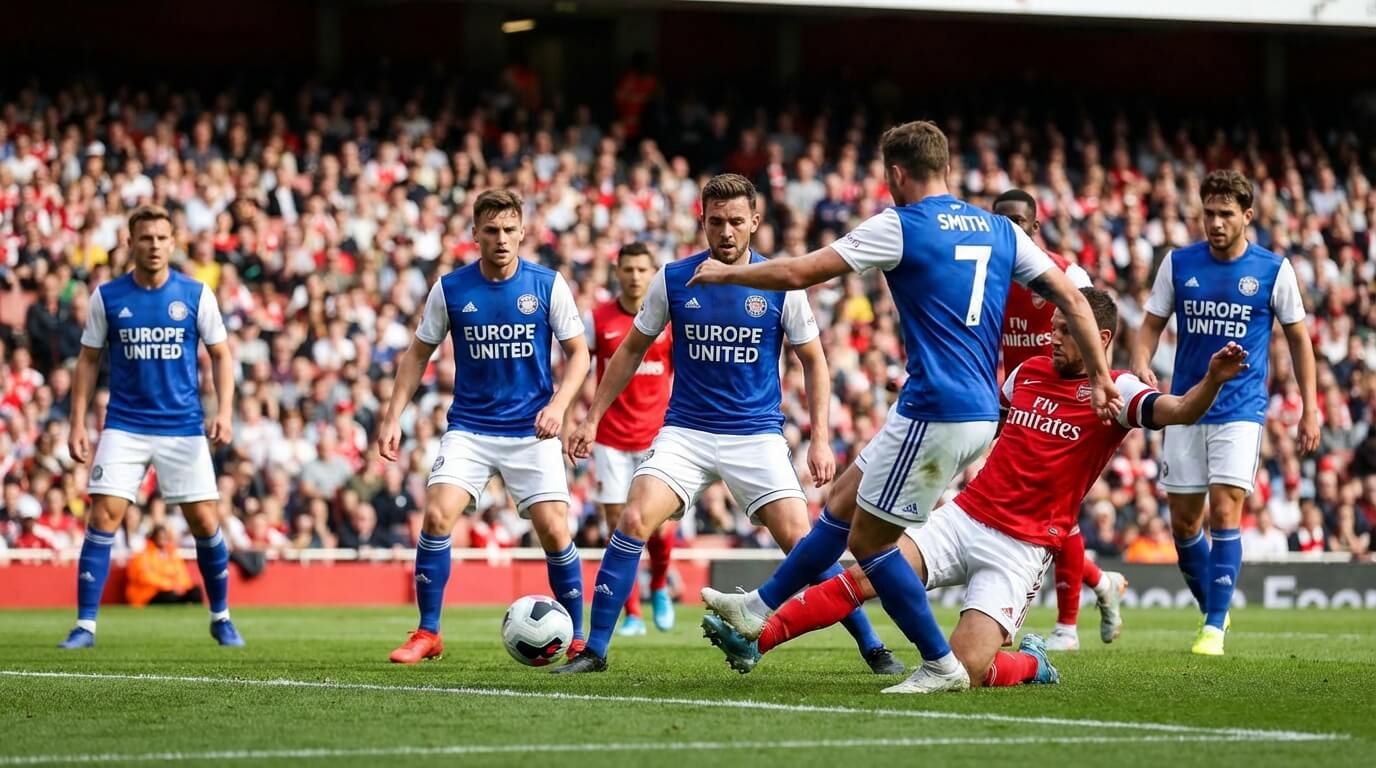
The Premier League remains one of the most-watched football competitions globally. Known for its high-intensity matches and competitive spirit, it regularly features multiple clubs fighting for the top positions.
- Manchester City has refined a possession-based philosophy, leveraging advanced analytics. Their technical precision, combined with fluid offensive movement, results in consistent performances in both domestic and continental play.
- Liverpool exemplifies a high-pressing game, focusing on swift transitions from defense to attack. Fitness and mental resilience are emphasized to sustain an intense style throughout a long season.
La Liga (Spain)
Spanish football is renowned for its emphasis on ball control and technical prowess.
- Real Madrid invests significantly in established stars and emerging talents. Their adaptive approach involves mixing possession play with sudden bursts on the counterattack.
- FC Barcelona focuses on youth development and positional play, often referred to as a refined version of tiki-taka. Although the style evolves yearly, the club continues to encourage an academy-driven system.
Bundesliga (Germany)
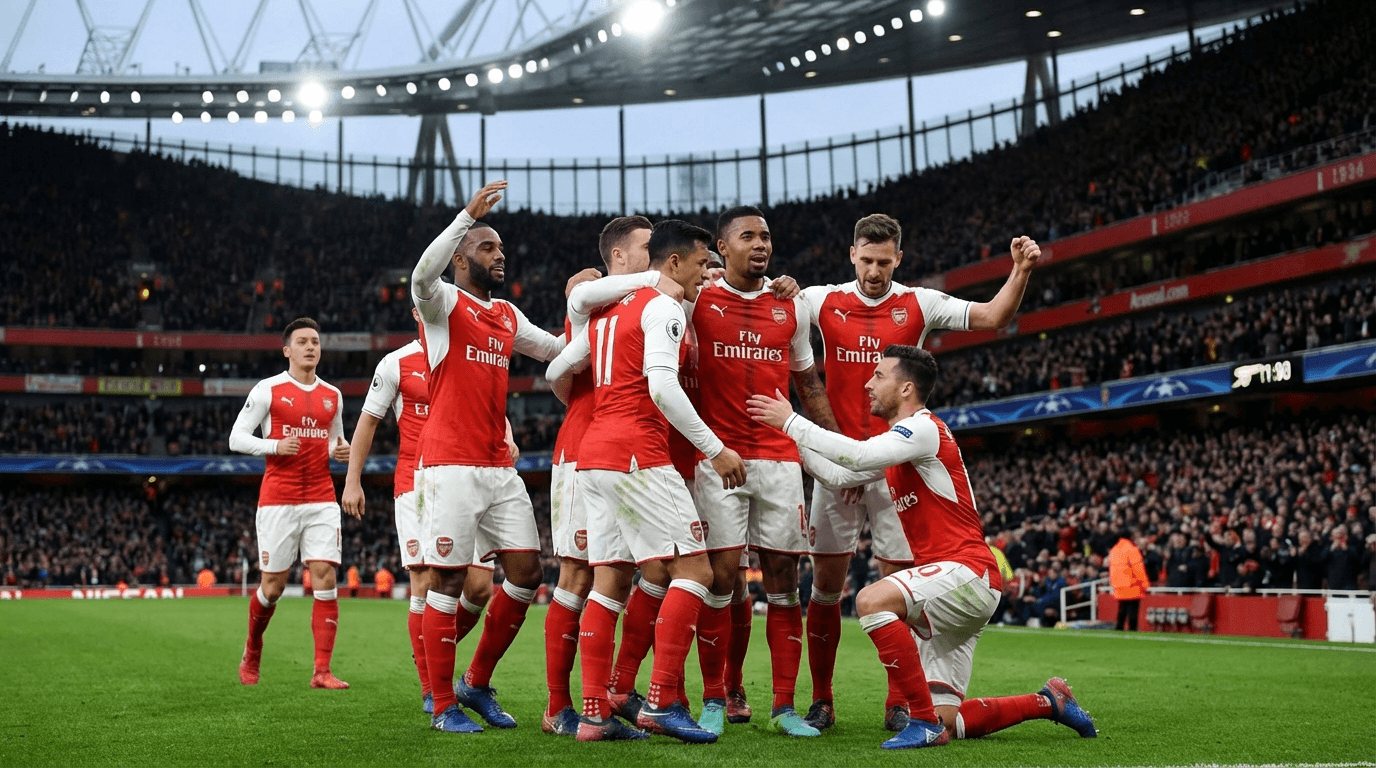
German football is associated with disciplined structures, advanced youth academies, and strong physical conditioning.
- Bayern Munich frequently tops the Bundesliga, utilizing a balanced style that combines robust pressing and precise passing. Their scouting network identifies promising players across Europe and beyond, reinforcing the team’s core each season.
- Borussia Dortmund remains a hub for emerging talents due to its strong academy and a tradition of giving opportunities to younger prospects. Their brand of offensive football is admired worldwide for its speed and creativity.
Serie A (Italy)
Italian teams often pride themselves on defensive organization, though many clubs have embraced more attacking tactics to keep pace with European trends.
- Juventus continues to be a formidable force, integrating defensive experience with flexible offensive transitions. Their ability to adapt to new coaching methods aids in retaining top-tier status.
- Inter Milan invests in balanced rosters, capitalizing on effective ball circulation and a strong midfield. Data-oriented training sessions optimize player endurance for rigorous match schedules.
Ligue 1 (France)
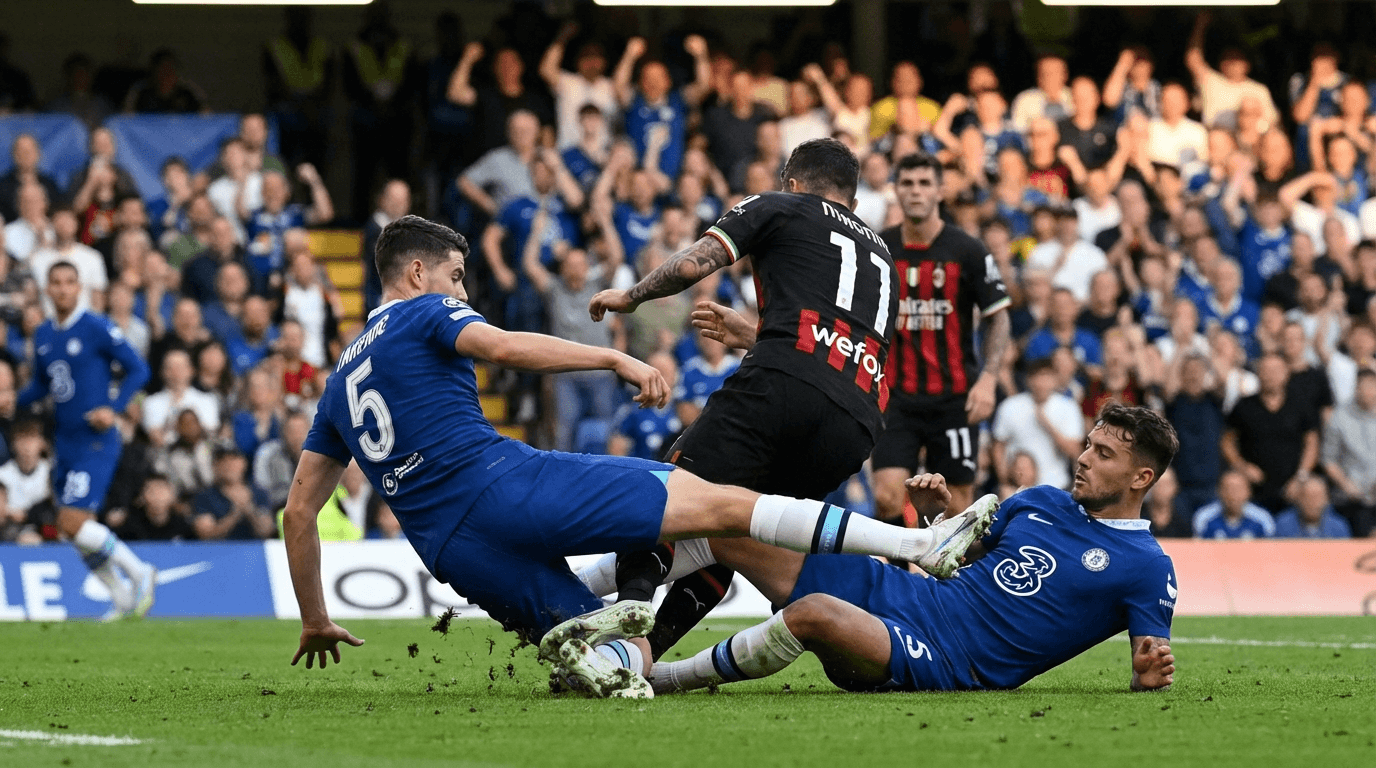
With a focus on technical flair and a growing pool of local youth talent:
- Paris Saint-Germain (PSG) dominates discussions around Ligue 1. Known for assembling squads filled with global superstars, they have also improved youth scouting. Their approach blends skillful wing play with disciplined midfield anchoring.
- Olympique Lyonnais is regularly praised for its academy that consistently produces players capable of competing at the highest levels in Europe. Their structured gameplay and emphasis on building from the back remain cornerstones.
Other Noteworthy Clubs
Clubs like Ajax (Netherlands) and RB Salzburg (Austria) outside the major five leagues also deserve some focus. Ajax has a long history of youth development and technical football; RB Salzburg plays a high-intensity game and sends numerous talents to top European leagues. These clubs keep competitive edges by mixing local prospects with strategic foreign signings.
Training Innovations and Youth Development
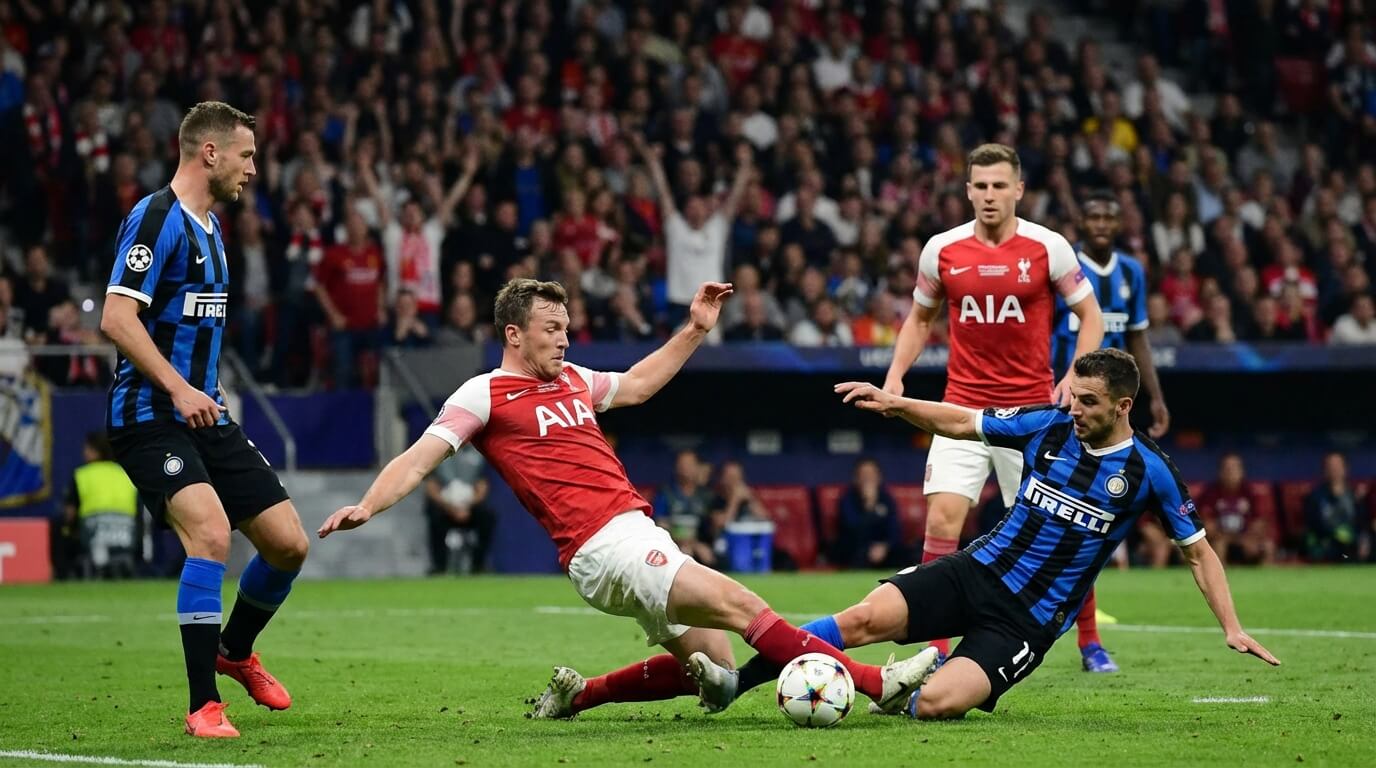
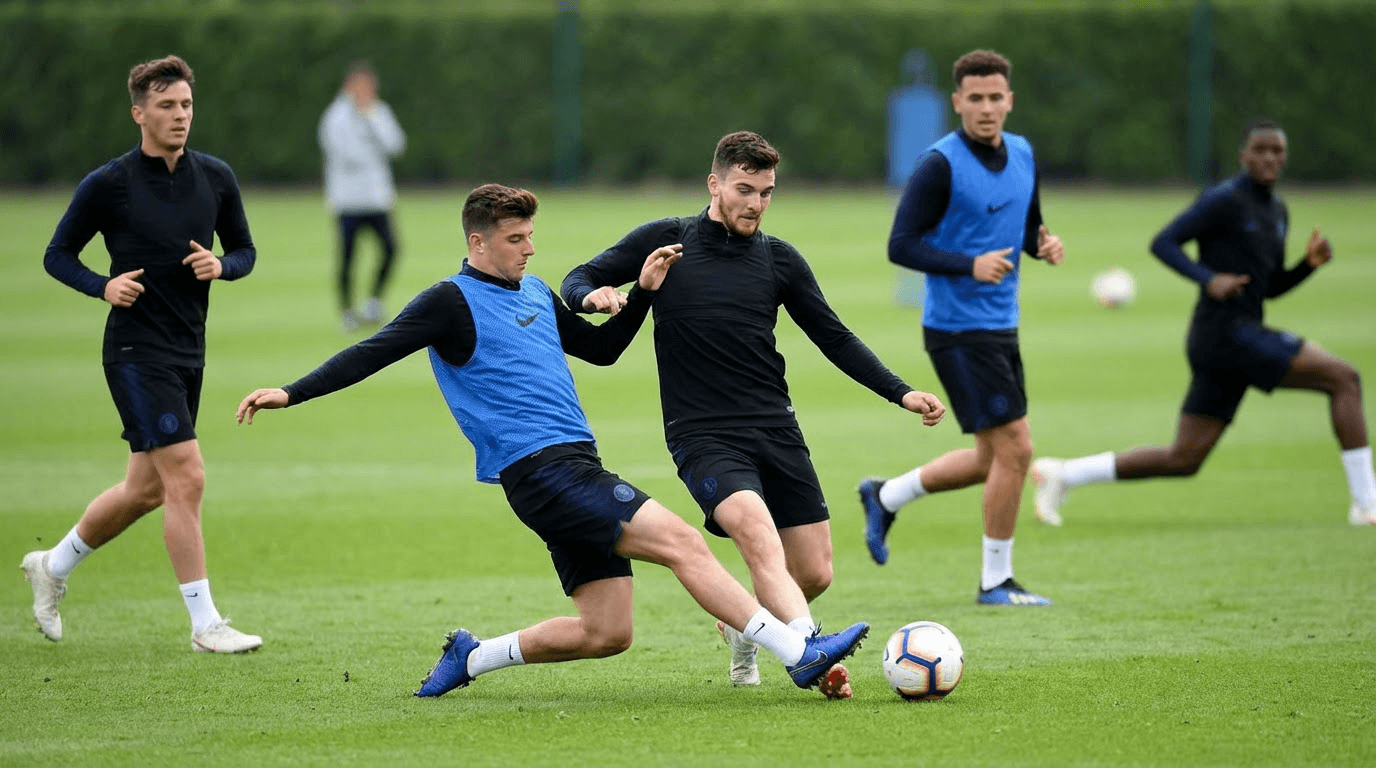
Elite European clubs already deploy comprehensive data analytics platforms, tracking every pass, every shot and every interception by 2026. These metrics guide customized training plans aimed at maximizing player capabilities. Wearable technologies use physiological data to help coaches avoid over-training, minimize injury risk, and have players peak at optimal times during grueling tournaments.
Academies are also a strategic pillar for clubs. The likes of Barcelona’s La Masia, Bayern Munich’s youth setup, and Manchester City’s academy system are emblematic of a move toward a more holistic education of players. Technical drills, match simulation exercises, and mental conditioning sessions are all things young athletes do. Through partnerships with local schools or universities, I think players are given a well-rounded education in addition to his or her football training.

Tactical Approaches of Top Teams
Teams in Europe balance iconic tactics with dynamic adjustments to outmaneuver opponents. Some prefer a possession-dominant style, slowly wearing down defensive lines, while others employ rapid transitions and robust pressing.
- High Pressing and Counter-Pressing: Popularized in Germany and England, it involves an organized effort to immediately reclaim possession once it is lost. Players train with specialized drills that simulate pressing triggers and positioning.
- Positional Play: Rooted in Spanish football, positional play emphasizes compact passing triangles and fluid movements, ensuring that each player has multiple passing outlets. This style requires heightened spatial awareness and teamwork.
- Set-Piece Mastery: Many European matches hinge on corner kicks and free-kicks. Teams invest time in designing rehearsed plays, analyzing opponent weaknesses to capitalize on these pivotal dead-ball situations.
Opinions of Professionals and Ordinary Fans
European football’s appeal transcends borders, prompting feedback from both insiders and everyday supporters:
- Carlo Bianchi (Performance Analyst with experience in Serie A and the Premier League) notes that sports science applications have grown rapidly. He explains that clubs employ advanced data to refine player diets, rest cycles, and match tactics. In his view, the emphasis on analytics offers a more consistent approach to performance improvement.
- Julia Hansen (Sports Psychologist who worked with Bundesliga teams) underlines the importance of mental conditioning. She highlights how frequent high-stakes matches can lead to burnout if not managed through individualized psychological training.
- Mark from Canada says he initially watched the Premier League due to its global reach, but now also follows La Liga for its technical brilliance. He appreciates the variety of playing styles across Europe.
- Amal from India shares that streaming services have made the Champions League accessible to viewers in South Asia. He finds enjoyment in tracking the performance of younger players who often become global superstars.
- Felipe from Brazil admires the intensity of Liverpool and Manchester City. He notes that the unpredictability of results in big matches amplifies the drama, making European football a compelling watch.
- Alice from Great Britain points out how local fans often value club culture as much as trophies, referencing century-old rivalries like those between Liverpool and Manchester United or Celtic and Rangers in Scotland.
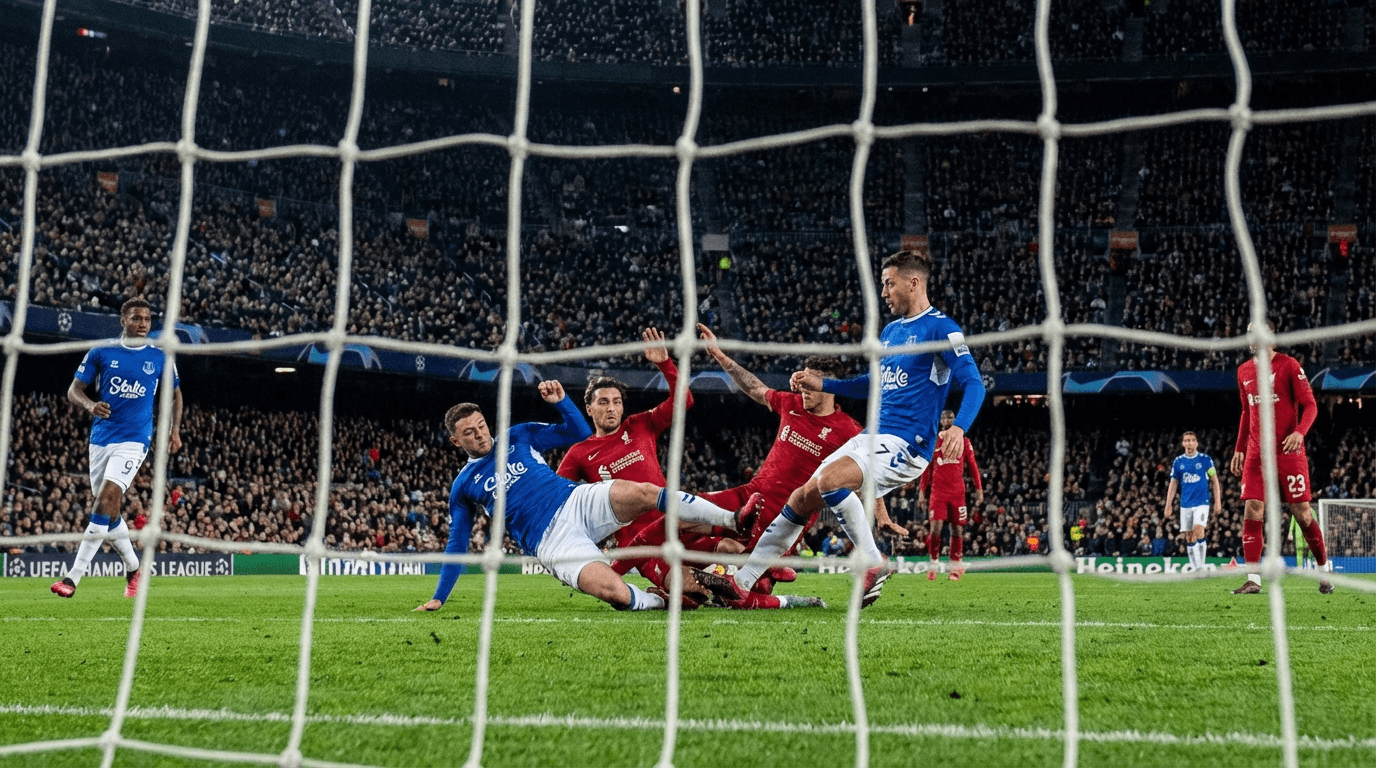
Practical experience from experts and ordinary people shapes the understanding that Europe remains at the forefront of global football developments. The collaborative environment among players, managers, and data specialists fosters a competitive edge that fans find thrilling.
Conclusions
The top football clubs in Europe in 2026 have some important things in common: productive talent pipelines, fluid tactical systems and substantial outlays on sports science. Clubs in the Premier League, La Liga, the Bundesliga, Serie A and Ligue 1 routinely stretch the limits of player conditioning, analytics and global scouting. That raise — with the attendant expectations — is on display in the Champions League, in which fans worldwide are able to watch both star players at their peak and those on the way to superstardom.
Those new to European football should start with one or two leagues or teams, see how they go, look for differences, then expand from there. This also helps newcomers appreciate the strategic diversity between clubs and the context behind these rivalries. The answers vary from the technology and mental conditioning that take place in top-level football, to the less tangible effect of unpredictable results and the opportunity for most fans of assigning a special significance to a particular club.
Voluminous Summary
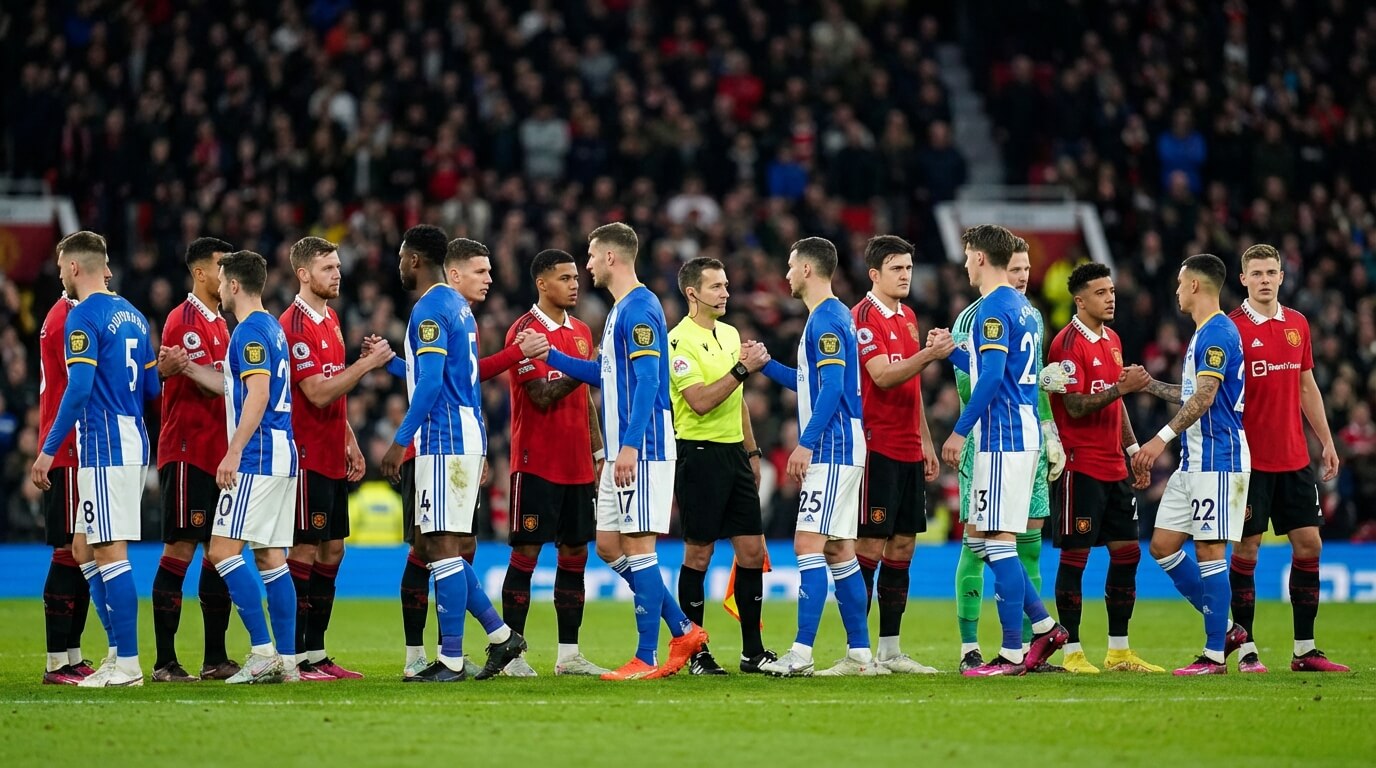
In 2026, European football: where past collides with the future Clubs from England, Spain, Germany, Italy and France start imposing regimented training schedules, both to physically optimize and mentally steel their players. Advanced academies guarantee a steady stream of developing talent, and analytical platforms evaluate almost every aspect of play. High pressing, positional play and other tactics incorporate global influences in the game, proving that Europe’s best teams never sit still, constantly reinventing themselves to be competitive on the largest stages such as the UEFA Champions League.
Experts such as Carlo Bianchi and Julia Hansen stress the interconnectedness between technology, data visualization, and mental conditioning. Its Creative Founders represent ordinary fans from Canada, India, Brazil and Great Britain who watch each match, and experience the world through play. One way for newcomers to make sense of the world of football is to learn from watching the great clubs of Europe as they methodically lay out a way of watching games, comparing tactical trends and following exciting young players from the first moments of their promise to their eventual coronation.
The pressing game of English clubs, the ball-control of Spanish teams, the disciplined methodology of German sides and the measured tactics of Italian challengers all contribute to a deadly versatile football environment across Europe. An understanding of various leagues, transfer strategies and youth development plans can increase appreciation of how the teams succeed. While the landscape continues to shift, with new technologies and new training approaches, Europe holds its place as the powerhouse of the footballing world.
Sources Used
Expert Information
- Carlo Bianchi (Performance Analyst) – Provided insights on data-driven coaching in Italy and England.
- Julia Hansen (Sports Psychologist) – Contributed information on mental training techniques in the Bundesliga.